


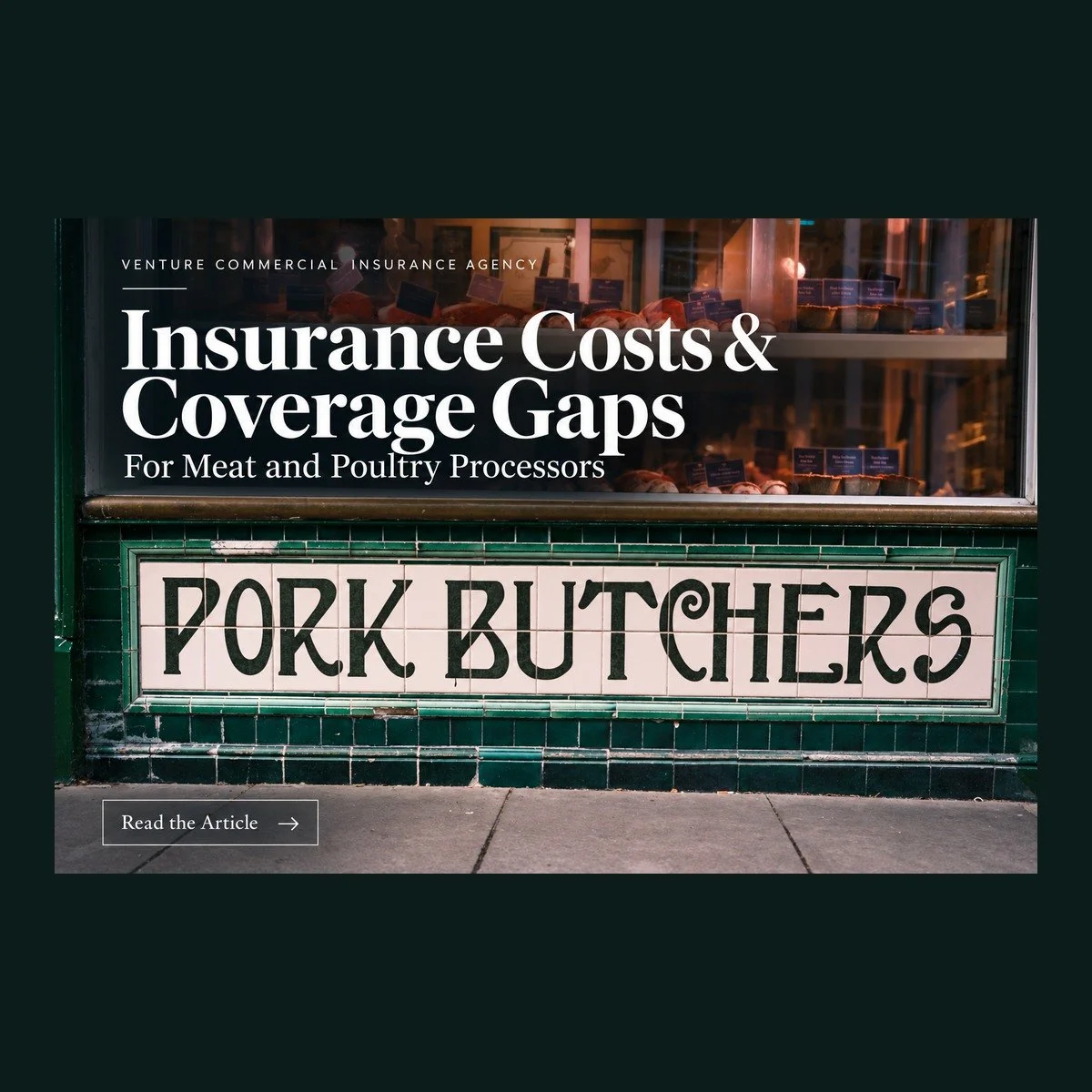
Insurance Costs and Coverage Gaps: What Meat and Poultry Processors Should Review
Meat and poultry processors may have opportunities to improve insurance pricing, but coverage gaps still deserve attention. From product recalls to refrigeration failures and cyber-related spoilage, we examine the risks, market trends and questions to raise before your next renewal.
Who Does Your D&O Policy Protect? Side A, Side B and Side C
Who does your directors and officers (D&O) insurance policy protect? Learn how Side A, Side B and Side C coverage address protection for executives, corporate reimbursement and claims against the company, and why shared policy limits matter.
Commercial Property Coinsurance: Why a Partial Loss Can Leave a Shortfall
A covered property loss can leave your business with an unexpected shortfall, even when the damage is below your policy limit. Learn how commercial property coinsurance affects claim payments and why accurate replacement values matter when choosing insurance limits.

A Certificate of Insurance Is the Starting Point, Not a Full Coverage Review
A certificate of insurance provides evidence of coverage, but it does not tell the whole story. Learn why additional insured endorsements, policy exclusions and contract requirements matter when reviewing protection for your business.

A D&O Claim Can Start Before a Lawsuit: Why Reporting Matters
Directors and officers (D&O) insurance claims can begin before a lawsuit is filed. Learn how written demands, claims-made coverage and reporting deadlines can affect protection for your business and its leadership.

Golf Course Insurance - 5 Coverage Gaps & Approaches
A golf course’s insurance needs extend well beyond the clubhouse. Playing surfaces, irrigation systems, carts and equipment can carry coverage limitations that are easy to overlook. Learn where gaps may arise and what to review to better protect your course, revenue and operations.
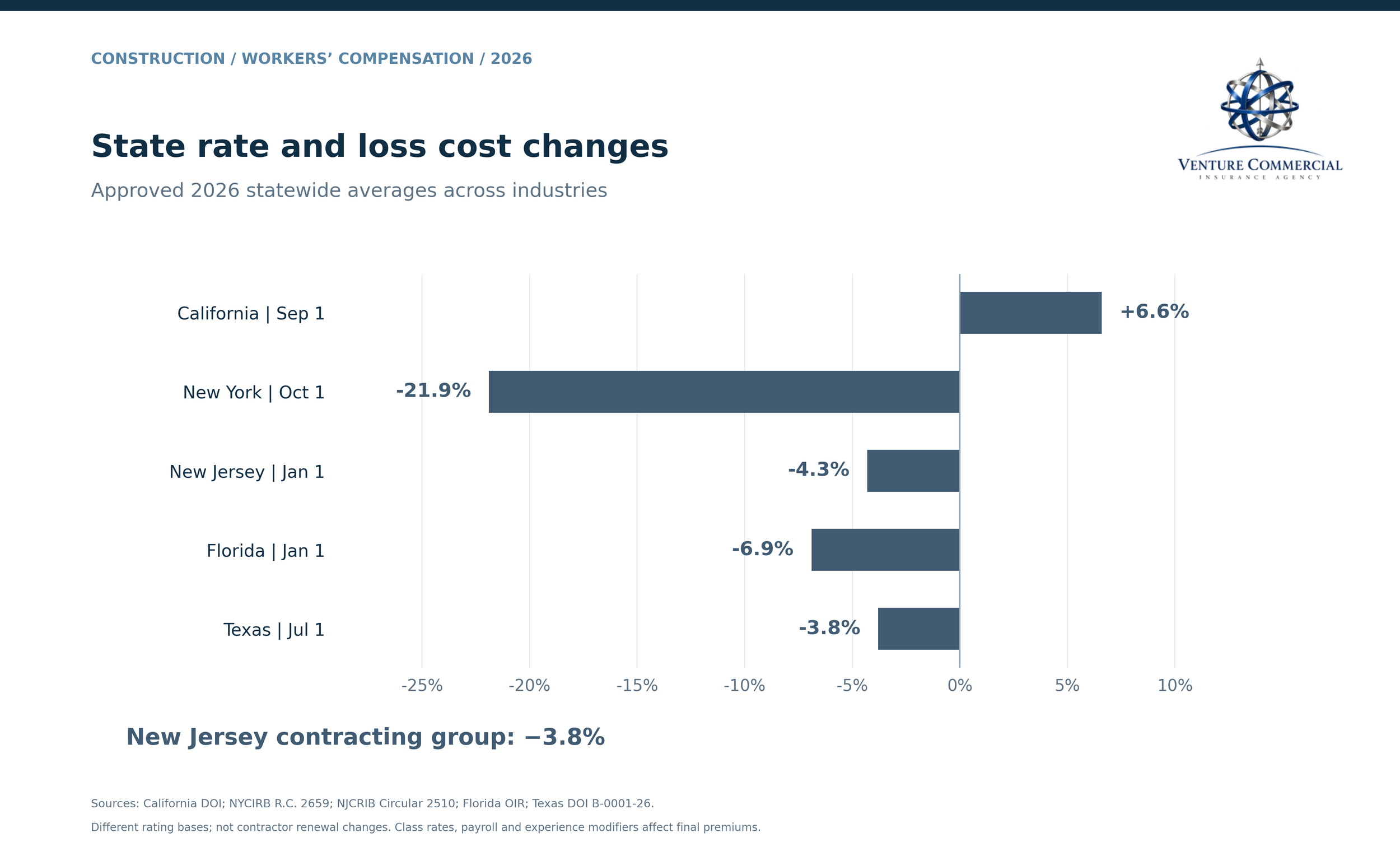
Construction Payroll & Workers Compensation Cost
A falling workers’ compensation rate does not necessarily mean a lower insurance bill. For construction businesses, wage increases, expanding crews, changes in the work performed and claims experience can outweigh a reduction in a state’s underlying rate or loss cost level.
For owners and corporate decision makers, the useful question is how much of the renewal change comes from market pricing and how much comes from the company’s own exposure. That distinction affects budgeting, project bids, staffing decisions and the steps management can take to improve the program.

California Workers Compensation Trends
California’s workers compensation environment is showing renewed cost pressure, led by the continued growth of cumulative trauma claims and higher medical costs. This summary is intended to give employers a clear view of the trends that may affect claim development, experience modification factors, underwriting results, and future insurance pricing. The central message is straightforward: claims are becoming more complex and expensive, making early intervention and disciplined claim management increasingly important.